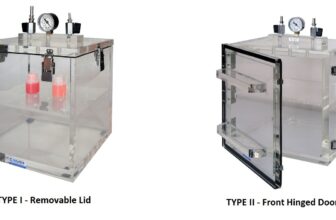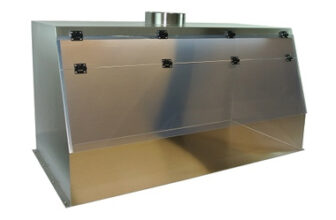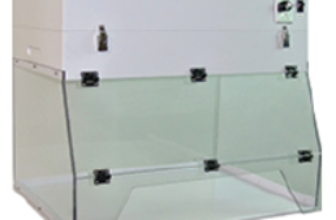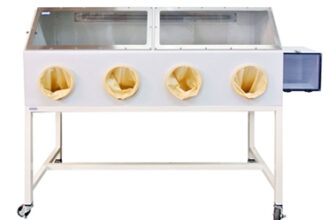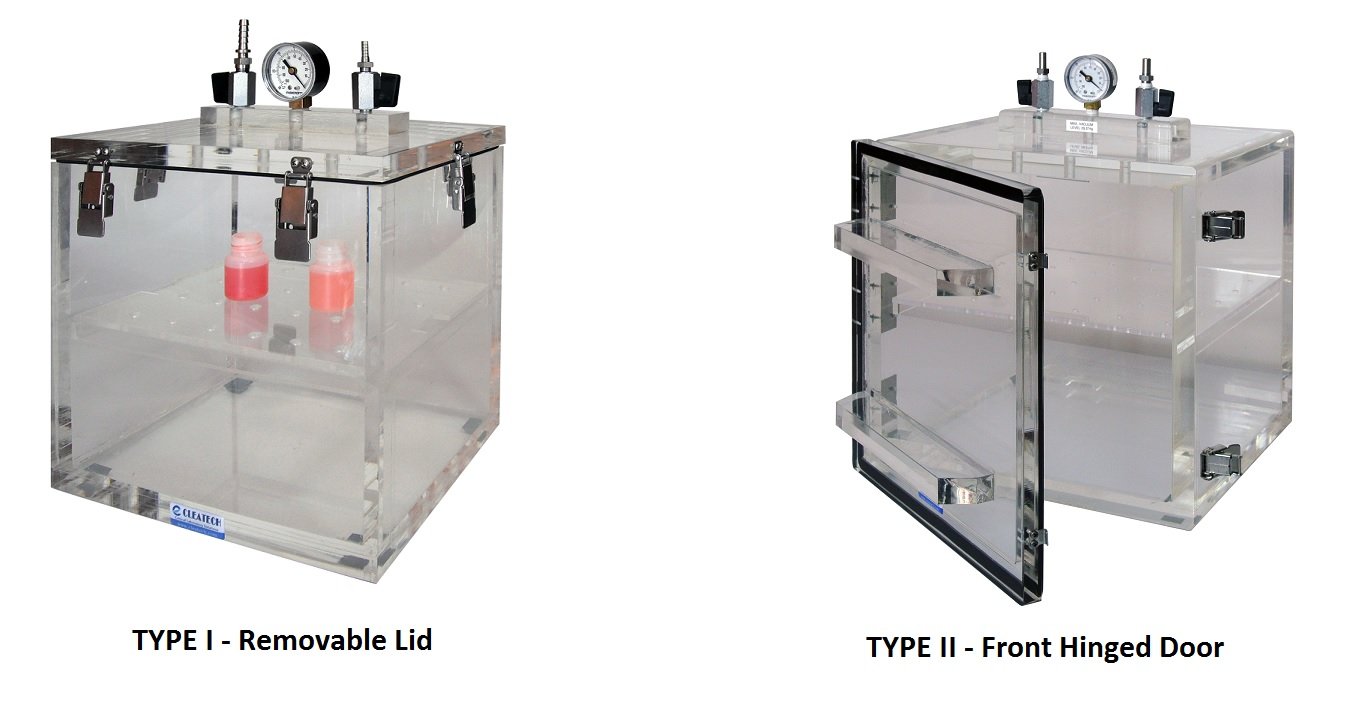
Selecting the correct chamber capacity is essential when you use vacuum desiccators to protect moisture-sensitive materials, preserve product quality, and maintain controlled storage conditions. An undersized chamber can restrict airflow, limit storage flexibility, and create inefficient loading arrangements. An oversized unit may occupy unnecessary laboratory space and increase equipment costs. To make the right decision, you need to evaluate your storage requirements, material dimensions, loading patterns, operating conditions, and future capacity needs before choosing a chamber.
1. Calculate Your Actual Storage Requirements
Start by identifying the materials you intend to store inside the vacuum chamber. Different applications require different amounts of usable space. Electronic components, laboratory samples, chemicals, polymers, pharmaceutical materials, and moisture-sensitive products may have different storage configurations.
Prepare an inventory that includes:
- Number of items stored per batch.
- Length, width, and height of individual containers.
- Total number of trays, racks, or shelves required.
- Frequency of loading and unloading.
- Expected increase in storage volume.
Measure the actual dimensions of your products and their containers rather than estimating capacity from the product count alone. This approach helps you establish a realistic storage requirement.
2. Understand Gross Capacity Versus Usable Capacity
One of the most important considerations when selecting a vacuum desiccator is understanding the difference between gross chamber capacity and usable internal capacity.
Gross capacity represents the chamber’s overall internal volume, while usable capacity accounts for the space occupied by shelves, trays, fixtures, and stored materials.
For a rectangular chamber, you can estimate the internal volume using:
Volume = Internal Length × Internal Width × Internal Height
For example, consider a chamber with the following internal dimensions:
- Length: 600 mm
- Width: 500 mm
- Height: 600 mm
Its approximate gross volume is:
600 × 500 × 600 = 180,000,000 mm³
Dividing by 1,000,000 gives a gross capacity of 180 liters.
However, this does not mean you can store 180 liters of materials inside the chamber. You must account for shelves, clearances, and the arrangement of your products when calculating practical storage capacity.
3. Evaluate the Dimensions of Stored Materials
Your products’ physical dimensions directly influence the chamber size you need. Two applications with identical material volumes may require completely different chamber capacities because of their shapes.
For example, storing flat electronic circuit boards requires sufficient shelf width and vertical spacing. Storing laboratory bottles may require greater height and adequate clearance between containers.
Evaluate the following measurements:
- Maximum product length and width.
- Maximum container height.
- Required spacing between stored items.
- Clearance for inserting and removing materials.
- Space needed for internal fixtures.
If you handle multiple product types, select a chamber that accommodates your largest regularly stored item without compromising the arrangement of smaller materials.
4. Consider Loading Density and Internal Arrangement
Loading density determines how efficiently you use the available chamber space. Although maximizing the number of stored items may seem beneficial, overcrowding can create practical problems.
Arrange materials so that they remain accessible and do not interfere with vacuum connections, internal components, or the intended storage configuration.
Consider these practical arrangements:
Shelving systems: Determine the number of levels and vertical spacing required.
Storage trays: Account for tray dimensions and the space they occupy.
Sample containers: Maintain sufficient separation to prevent accidental contact.
Large components: Allow enough clearance for safe handling.
Mixed materials: Plan separate storage zones when necessary.
Your chamber should provide enough room for organized storage rather than simply maximizing the quantity of materials placed inside it.
5. Match Chamber Capacity to Vacuum Pump Performance
Chamber volume and vacuum pump performance should be evaluated together. A larger chamber generally contains more air that must be evacuated, potentially increasing the time required to reach the target pressure.
Consider the pump’s rated pumping speed, the chamber’s internal volume, connection dimensions, leakage characteristics, and the required ultimate pressure.
An idealized evacuation relationship is:
Evacuation Time ≈ (Chamber Volume ÷ Effective Pumping Speed) × ln(Initial Pressure ÷ Final Pressure)
This equation provides a simplified estimate. Actual evacuation time depends on conductance restrictions, outgassing, leakage, pressure-dependent pumping speed, and other operating conditions.
Avoid selecting a large chamber without confirming that the vacuum system can achieve the required pressure within your process timeline.
6. Account for Material Sensitivity and Application Requirements
Your application should determine the chamber configuration, not capacity alone.
For moisture-sensitive electronic components, you may need sufficient space for organized trays and controlled storage conditions. For laboratory samples, convenient access and suitable container clearance may be more important.
Evaluate:
- Required operating pressure.
- Moisture protection requirements.
- Chemical compatibility of chamber materials.
- Temperature limitations.
- Material outgassing characteristics.
- Vacuum monitoring requirements.
If your application involves solvents, volatile substances, or reactive chemicals, verify material compatibility and ensure the vacuum system is suitable for the intended operating conditions.
7. Allow Room for Future Storage Expansion
Your current storage requirements may change as laboratory activities, production volumes, or research workloads increase.
Choosing a chamber based only on today’s inventory can lead to premature equipment replacement. Instead, consider anticipated growth over the equipment’s expected service life.
A practical approach is to estimate your projected storage demand and add a reasonable capacity allowance based on your expansion plans.
However, avoid excessive oversizing. A larger chamber may require more installation space, greater pumping capacity, and additional operating resources.
8. Select the Right Vacuum Desiccator Chamber
Once you understand your capacity requirements, compare available chamber configurations.
Evaluate internal dimensions, construction materials, vacuum compatibility, shelving options, access arrangements, and pressure specifications.
Explore the available Vacuum Desiccator Chamber options for laboratory and moisture-sensitive material storage to identify configurations that align with your application.
Working with an experienced equipment supplier can also help you determine whether a standard chamber or a customized configuration is more appropriate.
CleaTech LLC offers laboratory and cleanroom equipment solutions designed to support different technical and storage requirements. Review your application specifications before finalizing your equipment selection.
9. Use a Capacity Selection Checklist
Before purchasing a vacuum desiccator, confirm the following:
- Internal length, width, and height meet your requirements.
- Usable capacity accommodates your actual inventory.
- Shelves and trays fit the intended materials.
- Loading and unloading are convenient.
- Vacuum pump performance matches chamber volume.
- Required pressure levels are achievable.
- Chamber materials are compatible with stored products.
- Available laboratory space supports installation.
- Future storage requirements have been considered.
A structured evaluation reduces the risk of selecting equipment that does not support your actual workflow.
Frequently Asked Questions
How do you calculate vacuum desiccator chamber capacity?
Multiply the chamber’s internal length, width, and height to calculate its gross volume. Convert the result into liters by dividing cubic millimeters by 1,000,000. Then account for shelves, fixtures, and required clearances to estimate usable capacity.
What is the difference between gross and usable chamber capacity?
Gross capacity represents the total internal chamber volume. Usable capacity represents the practical storage space remaining after accounting for shelves, trays, fixtures, and necessary spacing between materials.
Does a larger vacuum desiccator require a more powerful pump?
Not necessarily, but larger chambers generally require more evacuation capacity. Evaluate chamber volume, target pressure, pumping speed, connection conductance, and acceptable evacuation time before selecting a pump.
How much extra capacity should you allow when selecting a vacuum desiccator?
The additional capacity depends on your expected inventory growth, loading frequency, and storage arrangement. Estimate future demand and include a reasonable allowance rather than choosing an unnecessarily oversized chamber.
Which factors influence vacuum desiccator chamber selection?
Important factors include internal dimensions, usable storage volume, material characteristics, required vacuum level, pump performance, chamber construction, shelf configuration, and available installation space.
Conclusion
Determining the correct chamber capacity for vacuum desiccator applications requires more than calculating internal volume. You must consider actual material dimensions, usable storage space, loading arrangements, vacuum pump performance, application requirements, and future expansion. By evaluating these factors systematically, you can select equipment that supports efficient storage, reliable operation, and better laboratory organization.
If you need assistance evaluating chamber dimensions or selecting a suitable configuration, Contact us today to discuss your vacuum desiccator application and equipment requirements.