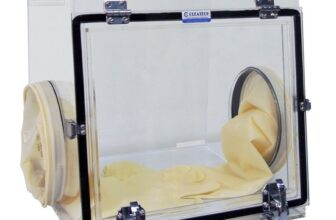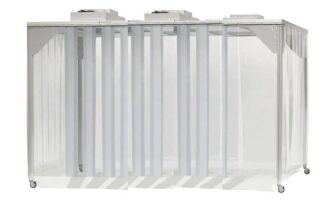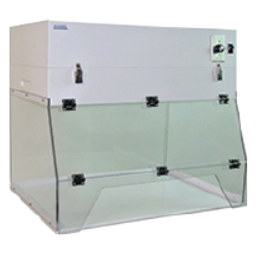
Modern laboratories constantly evolve. You may need to rearrange workstations, expand testing areas, or support temporary research projects without compromising safety. That is where a portable chemical fume hood becomes a valuable asset. Instead of relying only on fixed ventilation systems, you can create safer and more adaptable workspaces with equipment designed for mobility and convenience.
A portable fume hood gives you the freedom to perform chemical handling tasks in multiple locations while maintaining proper containment and airflow. Whether you operate a research laboratory, educational facility, pharmaceutical workspace, or industrial testing area, portability can improve efficiency and simplify your daily operations.
Improve Laboratory Mobility
Traditional fume hoods are often installed permanently in one location. While they provide excellent containment, they can limit how you organize your lab. A portable unit changes that completely.
With a portable chemical fume hood for flexible laboratory safety applications, you can move the workstation wherever ventilation support is needed. This flexibility helps you respond quickly to changing project requirements without major renovations or expensive downtime.
You can easily reposition the hood when:
- Expanding lab operations
- Setting up temporary experiments
- Sharing equipment between departments
- Reorganizing workflow areas
- Supporting field or mobile testing
This adaptability allows you to maximize available space while maintaining proper chemical safety standards.
Support Safer Chemical Handling
Safety remains one of the biggest reasons to invest in portable fume hoods. When you work with chemicals that release harmful vapors, fumes, or particulates, proper airflow containment becomes essential.
Portable systems help reduce exposure risks by capturing contaminants near the source before they spread into the workspace. Many modern units include advanced filtration systems that improve air quality while protecting personnel and equipment.
You can safely handle:
- Solvents
- Acids
- Chemical reagents
- Powders
- Volatile compounds
By using a portable hood, you create a controlled environment even in locations where permanent exhaust systems may not exist.
Increase Workflow Efficiency
Lab productivity often depends on accessibility. If you constantly move samples, chemicals, or equipment between rooms, your workflow can become inefficient. Portable fume hoods solve this issue by bringing containment directly to your work area.
Instead of redesigning the lab around fixed equipment, you can move the hood closer to the task. This minimizes unnecessary movement and helps your team work more efficiently.
You may notice improvements such as:
- Faster experiment setup
- Reduced material transport
- Better workspace organization
- Improved collaboration between departments
- Easier accommodation of changing projects
When flexibility increases, your operations become smoother and more cost-effective.
Reduce Installation Costs
Permanent ventilation systems often require extensive construction, ductwork, and engineering modifications. These installations can become expensive and time-consuming.
Portable ductless systems offer a more economical alternative because they typically require minimal installation. Many units simply need power access before operation.
This can help you:
- Lower renovation expenses
- Avoid major infrastructure changes
- Reduce facility downtime
- Expand operations quickly
- Use temporary lab spaces effectively
For laboratories operating under budget limitations, portability provides a practical solution without sacrificing safety performance.
Adapt to Different Laboratory Environments
Portable fume hoods work well across many industries because they can serve multiple functions in different settings.
You can use them in:
- Pharmaceutical labs
- Research facilities
- Educational institutions
- Electronics manufacturing
- Semiconductor environments
- Quality control labs
- Industrial testing centers
Because portable units are versatile, they help you maintain compliance and operational efficiency even as your requirements evolve.
Many labs also use portable hoods for overflow projects during busy production periods. Instead of investing in permanent infrastructure immediately, you can scale operations more efficiently with mobile containment systems.
Improve Space Management
Laboratory space is valuable. Bulky fixed systems can limit how effectively you use your workspace. Portable hoods allow you to optimize floor plans and create more adaptable layouts.
You can store or relocate the unit when it is not needed, which frees up valuable working space. This flexibility becomes especially useful in smaller laboratories where every square foot matters.
A well-organized lab can improve:
- Staff productivity
- Equipment accessibility
- Safety compliance
- Workflow coordination
- Cleaning and maintenance efficiency
Portable systems help you maintain a cleaner and more functional environment.
Support Temporary and Specialized Projects
Research projects often change rapidly. One month you may need chemical containment for sample preparation, while the next month you may require a clean testing area in another room.
Portable chemical fume hoods support these changing demands without requiring permanent modifications. You can relocate the hood to support specialized projects whenever needed.
This flexibility is especially beneficial when:
- Running pilot studies
- Supporting temporary contracts
- Conducting short-term experiments
- Expanding seasonal production
- Managing emergency response testing
Portable solutions allow you to stay prepared for changing workloads while maintaining safety and compliance.
Choose Reliable Laboratory Equipment
When selecting a portable hood, you should focus on airflow performance, filtration quality, durability, and ease of movement. High-quality systems help ensure consistent containment and long-term reliability.
CleaTech LLC laboratory containment and cleanroom solutions offers a wide range of laboratory equipment designed to support flexible and controlled work environments. Their portable fume hood systems help laboratories maintain safety standards while improving operational adaptability.
Choosing dependable equipment also helps reduce maintenance issues and supports better long-term productivity.
Final Thoughts
A portable chemical fume hood gives you more control over how your laboratory operates. Instead of being restricted by fixed layouts, you can adapt your workspace to meet changing safety and workflow requirements.
From reducing installation costs to improving mobility and supporting temporary projects, portable systems provide practical advantages for modern laboratories. When you combine flexibility with reliable containment, your lab becomes safer, more efficient, and easier to manage.
If you want to improve laboratory flexibility while maintaining proper chemical safety, portable fume hoods offer a smart and scalable solution.
Contact us today for portable chemical fume hood solutions and expert laboratory support.
FAQ
What is a portable chemical fume hood?
A portable chemical fume hood is a movable ventilation enclosure designed to capture and filter hazardous chemical fumes, vapors, and particles during laboratory work.
How does a portable ductless fume hood work?
A portable ductless fume hood uses built-in filtration systems to clean contaminated air before recirculating it back into the laboratory environment.
Why should you choose a portable chemical fume hood?
You should choose a portable system if you need flexible workspace arrangements, lower installation costs, temporary containment solutions, or adaptable laboratory operations.
Are portable chemical fume hoods safe for laboratory use?
Yes. High-quality portable fume hoods are designed to maintain controlled airflow and proper filtration to help protect users from chemical exposure.
Where can portable chemical fume hoods be used?
Portable fume hoods can be used in pharmaceutical labs, research facilities, schools, industrial laboratories, semiconductor facilities, and testing environments.