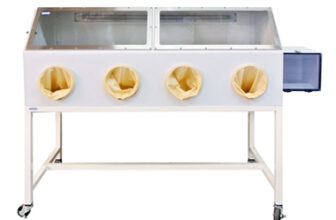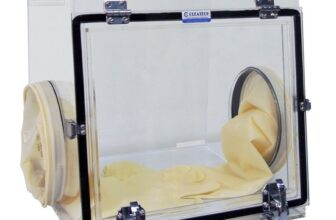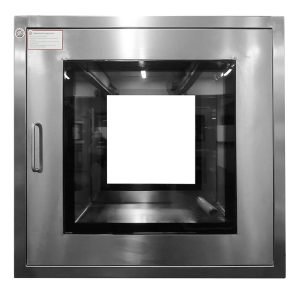
Maintaining a controlled environment is one of your most important responsibilities when operating a cleanroom. Whether you work in pharmaceuticals, biotechnology, electronics manufacturing, aerospace, or medical device production, contamination control directly affects product quality, employee safety, and regulatory compliance. One often-overlooked component that contributes significantly to these goals is the cleanroom passthrough.
A cleanroom passthrough serves as a secure transfer chamber that allows materials, tools, samples, and equipment to move between different areas without exposing the cleanroom to unnecessary contamination. By reducing traffic and limiting direct access, passthrough systems help you maintain a safer and cleaner workspace.
Understanding the role of a cleanroom passthrough can help you improve operational efficiency while strengthening contamination control measures throughout your facility.
Understanding Cleanroom Passthrough Systems
A cleanroom passthrough is an enclosed chamber installed between two rooms or environments with different cleanliness classifications. Instead of personnel entering and exiting the cleanroom repeatedly, items are placed into the passthrough on one side and retrieved from the other side.
Many systems feature interlocking doors that prevent both doors from opening simultaneously. This design minimizes airflow disruption and reduces the transfer of particles, microorganisms, and contaminants.
Using a high-quality cleanroom passthrough system for contamination-free material transfer helps you maintain environmental integrity while supporting consistent workflow throughout your facility.
Reducing Contamination Risks
One of the primary safety functions of a cleanroom passthrough is contamination prevention.
Every time personnel enter a controlled environment, they introduce potential contaminants through clothing fibers, skin particles, dust, and microorganisms. Even with proper gowning procedures, human movement remains a major contamination source.
When you use a passthrough system, you significantly reduce the need for personnel movement between rooms. Fewer entries and exits mean fewer opportunities for contaminants to enter the cleanroom.
As a result, you can maintain cleaner conditions and reduce the likelihood of product defects, process interruptions, or quality failures.
Supporting Employee Safety
Safety extends beyond contamination control. Cleanroom passthrough systems also help protect employees.
In facilities handling hazardous chemicals, sensitive materials, or biological samples, limiting direct interaction between personnel and controlled environments can reduce exposure risks. Employees can transfer materials safely without repeatedly moving between classified and unclassified areas.
This separation helps maintain established safety protocols while reducing unnecessary contact with potentially harmful substances.
By incorporating passthrough systems into your workflow, you create an additional barrier that supports both operational and personnel safety.
Maintaining Air Pressure Integrity
Cleanrooms rely heavily on carefully controlled air pressure differentials. Positive or negative pressure environments help prevent contaminants from entering or escaping designated areas.
Frequent door openings can disrupt these pressure balances and compromise environmental control.
A cleanroom passthrough minimizes this issue by providing a dedicated transfer point. Since only one door can typically open at a time, pressure stability remains intact throughout material transfer operations.
Maintaining proper air pressure is essential for preserving product quality and ensuring compliance with industry regulations.
Improving Operational Efficiency
Safety and efficiency often go hand in hand. When contamination incidents decrease, productivity improves.
Passthrough systems streamline material handling processes by creating designated transfer routes. Employees spend less time moving through gowning procedures, and materials reach their destination faster.
This organized workflow helps reduce bottlenecks while maintaining strict contamination control standards.
For facilities with high production demands, improved efficiency can translate into lower operational costs and fewer disruptions caused by contamination-related issues.
Enhancing Regulatory Compliance
Many industries must comply with strict cleanliness and safety standards established by regulatory organizations.
Cleanroom passthrough systems support compliance by helping you maintain controlled environments and documented contamination control procedures. Properly designed systems can assist facilities in meeting requirements related to material transfer, environmental monitoring, and cleanroom classification.
When auditors evaluate your contamination control practices, the presence of effective passthrough systems demonstrates a proactive commitment to maintaining cleanroom integrity.
Protecting Product Quality
Contamination can lead to product failures, recalls, and financial losses.
Whether you manufacture semiconductors, pharmaceuticals, or medical devices, even microscopic particles can compromise product performance. Cleanroom passthrough systems help protect sensitive materials throughout the transfer process by reducing environmental exposure.
This added protection contributes to higher product consistency, improved yield rates, and greater customer confidence.
By implementing a reliable Cleanroom Passthrough solution for controlled environment safety and contamination prevention, you strengthen quality assurance efforts across your operation.
Choosing the Right Passthrough System
Not all cleanroom applications have identical requirements. Selecting the right passthrough system depends on several factors:
- Cleanroom classification level
- Material size and transfer frequency
- Industry-specific regulations
- Required airflow and filtration systems
- Environmental conditions
- Security and access control requirements
Working with an experienced manufacturer ensures you receive a system designed to meet your specific operational needs.
Organizations seeking advanced contamination control solutions often turn to CleaTech LLC for custom-engineered cleanroom equipment that supports safety, efficiency, and compliance across various industries.
Best Practices for Safe Passthrough Operation
To maximize safety benefits, follow these best practices:
- Train employees on proper transfer procedures.
- Regularly inspect door interlocks and seals.
- Clean and sanitize passthrough chambers routinely.
- Establish documented material transfer protocols.
- Monitor airflow and pressure conditions.
- Schedule preventive maintenance inspections.
Consistent adherence to these practices helps ensure long-term performance and contamination control effectiveness.
Conclusion
A cleanroom passthrough plays a vital role in maintaining safety by reducing contamination risks, protecting employees, preserving air pressure integrity, supporting compliance, and improving operational efficiency. By limiting unnecessary personnel movement and providing a controlled transfer point for materials, these systems help safeguard both products and processes.
Investing in a properly designed passthrough solution can strengthen your contamination control strategy while contributing to cleaner operations and better overall performance. If you’re looking to enhance your cleanroom environment with dependable contamination-control equipment, explore the solutions offered by CleaTech LLC and Contact us today to discuss your facility’s requirements.
Frequently Asked Questions
What is a cleanroom passthrough?
A cleanroom passthrough is an enclosed transfer chamber that allows materials to move between rooms without requiring personnel to enter and exit controlled environments.
How does a cleanroom passthrough improve safety?
It reduces contamination risks, minimizes employee exposure to hazardous materials, maintains pressure differentials, and supports compliance with cleanroom standards.
Why are interlocking doors important in cleanroom passthroughs?
Interlocking doors prevent both sides from opening simultaneously, helping maintain cleanroom pressure balance and reducing contamination transfer.
Which industries use cleanroom passthrough systems?
Industries including pharmaceuticals, biotechnology, semiconductor manufacturing, aerospace, medical device production, and research laboratories commonly use cleanroom passthroughs.
How often should a cleanroom passthrough be maintained?
Maintenance schedules depend on usage and industry requirements, but routine inspections, cleaning, and preventive maintenance should be performed regularly to ensure optimal performance and safety.