From running heavy machinery in factories to powering large office complexes, transformers are a hidden but crucial part of our everyday world. Whether you’re a facility manager, a small-business owner, or someone curious about how big systems keep running smoothly, learning about industrial electrical transformers and electrical parts supplier relationships can save you time, money, and headaches. These two areas may sound technical, but once explained in simple language, they’re easy to understand and incredibly useful to know about.
What Are Industrial Electrical Transformers?
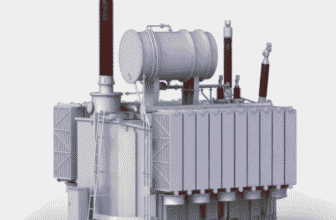
Industrial electrical transformers are large devices that adjust voltage levels to meet the needs of industrial operations. They step up or step down voltage, ensuring electricity arrives at the right level for machines, systems, and processes. Without them, factories, plants, and large commercial buildings couldn’t operate efficiently or safely.
Electrical transformers in homes or small businesses do the same basic job but on a smaller scale. Industrial electrical transformers, by contrast, are designed to handle higher voltages, bigger loads, and harsher environments.
Why Industrial Electrical Transformers Are Essential for Safety and Reliability
In an industrial setting, power needs are enormous and often complex. Machines like motors, pumps, and compressors require stable voltage to function correctly. Industrial electrical transformers make sure that electricity is delivered at the right level, reducing the risk of equipment damage, electrical fires, or production downtime.
An electrical parts supplier plays a supporting role by providing the components and accessories needed to maintain these transformers. By sourcing quality parts, facilities ensure their systems stay reliable and compliant with safety standards.
How Industrial Electrical Transformers Work in Simple Terms
Think of electricity like water under pressure. High-voltage electricity is like water flowing at high pressure, and low-voltage electricity is like water flowing gently. Industrial electrical transformers are like valves that adjust that pressure to a usable level.
Inside a transformer are two main coils of wire, called the primary and secondary windings. Electricity flows into the primary winding, creating a magnetic field that induces voltage in the secondary winding. By changing the ratio of coils between the two windings, the transformer increases or decreases the voltage. This allows electricity to travel long distances efficiently and then be delivered safely to machines and systems.
Differences Between Industrial Electrical Transformers and Smaller Transformers
Both industrial electrical transformers and smaller electrical transformers use the same principle of electromagnetic induction. The key difference lies in scale. Industrial models handle thousands of volts and power entire production lines, while smaller transformers manage voltage for specific devices or building systems.
Understanding this difference helps facility managers and engineers choose the right equipment for their needs. It also highlights why working with a knowledgeable electrical parts supplier is important—they can help match components to the correct transformer type and capacity.
Benefits of Industrial Electrical Transformers
Industrial electrical transformers bring multiple benefits to businesses and facilities:
-
They ensure the correct voltage for heavy-duty equipment, reducing wear and tear.
-
They improve energy efficiency by allowing electricity to travel long distances at high voltage and be reduced at the point of use.
-
They protect sensitive equipment from surges or unstable voltage.
-
They provide flexibility for expanding or upgrading electrical systems.
These advantages make them indispensable in modern industrial operations.
Practical Tips for Managing Industrial Electrical Transformers
Transformers are robust but not maintenance-free. Here are some practical tips:
-
Regularly inspect for leaks, unusual sounds, or overheating.
-
Keep the area around transformers clean and well-ventilated to prevent overheating.
-
Schedule periodic testing to check insulation and performance.
-
Work with a trusted electrical parts supplier to source quality replacement components and accessories.
Following these tips keeps transformers reliable and extends their lifespan.
The Role of Industrial Electrical Transformers in Industrial Growth
Industrial electrical transformers support growth by making power distribution scalable. As factories expand or add new machinery, transformers can be upgraded or supplemented to handle increased demand. This flexibility allows businesses to grow without overhauling their entire electrical infrastructure.
An electrical parts supplier helps ensure that as these upgrades occur, the right connectors, bushings, and monitoring devices are available. This keeps projects on schedule and prevents costly delays.
Energy Efficiency and Industrial Electrical Transformers
Energy efficiency is becoming a top priority for industries worldwide. Modern industrial electrical transformers are designed to minimize losses and heat, saving electricity and reducing costs. These savings add up over time, especially in facilities with continuous operations.
Working with an experienced electrical parts supplier can also improve efficiency by ensuring your transformers have the right accessories, such as advanced cooling systems or monitoring equipment. This not only saves energy but also helps meet environmental and regulatory standards.
Choosing the Right Industrial Electrical Transformers
Selecting the right transformer requires understanding your facility’s voltage requirements, load profiles, and environmental conditions. For example, a transformer in a dusty factory may need special filters or enclosures, while one near the ocean might require corrosion-resistant materials.
An electrical parts supplier can be an invaluable partner in this process. They can recommend compatible components, ensure timely delivery, and help you stay within budget while meeting technical specifications.
Maintenance and Troubleshooting of Industrial Electrical Transformers
Like any major piece of equipment, industrial electrical transformers need ongoing maintenance. Over time, oil (if present) can degrade, insulation can wear out, and connections can loosen. Routine checks for temperature, noise, and performance indicators help identify issues early.
When a problem occurs—such as unexpected voltage fluctuations or excessive heating—quick action can prevent larger failures. Partnering with a reliable electrical parts supplier means you’ll have access to the parts and expertise you need to resolve issues promptly.
The Future of Industrial Electrical Transformers
Technology is making industrial electrical transformers smarter. New models include digital sensors, remote monitoring, and predictive maintenance features. These innovations allow operators to spot issues before they cause downtime and to optimize energy usage across an entire facility.
Electrical parts suppliers are adapting as well, offering a broader range of smart accessories and components to support these advanced transformers. The result is a more reliable, efficient, and sustainable electrical infrastructure for industries worldwide.
Common Challenges with Industrial Electrical Transformers
Despite their durability, industrial electrical transformers face challenges such as aging, overloading, and environmental stress. Older transformers may not meet current safety or efficiency standards, leading to higher operating costs or increased risk of failure.
Working proactively with an electrical parts supplier ensures that replacement parts, upgrades, or even complete transformer replacements are handled smoothly. This keeps facilities safe, efficient, and ready for future demands.
FAQs
Q1: What are industrial electrical transformers used for?
They adjust voltage levels in industrial settings to ensure machines and systems receive safe, efficient power.
Q2: How does an electrical parts supplier relate to industrial electrical transformers?
They provide the components, accessories, and expertise needed to maintain, repair, or upgrade transformers in industrial facilities.
Q3: Why are industrial electrical transformers important for safety?
They protect equipment and people by regulating voltage and preventing surges, overheating, or electrical faults.
Q4: Can industrial electrical transformers improve energy efficiency?
Yes. Modern designs reduce energy losses, and when paired with the right accessories from an electrical parts supplier, they can significantly cut operating costs.