If you plan to carry a handgun legally in Maryland, understanding your responsibilities is just as important as learning how to handle a firearm. Maryland Concealed Carry training prepares you to understand state firearm laws, follow essential safety practices, operate a handgun responsibly, and demonstrate the required shooting proficiency.
Maryland calls its concealed carry authorization a Wear and Carry Permit. Before you apply, you must understand what the training involves, how much time you need to complete it, and what you must do after receiving your certificate.
Whether you are a first-time applicant or preparing to renew your permit, knowing what to expect helps you arrive prepared and approach firearm ownership responsibly.
What Is Maryland Wear and Carry Training?
Maryland Wear and Carry training is a state-approved firearms safety course required for most applicants seeking an original Wear and Carry Permit. The course must be taught by a Maryland State Police-approved Qualified Handgun Instructor.
According to the Maryland State Police, initial applicants generally need 16 hours of instruction, while renewal applicants generally need 8 hours. Training covers firearm laws, safe storage, handgun operation, and practical shooting proficiency.
The goal is not simply to complete a class. You must demonstrate that you understand the legal and practical responsibilities associated with carrying a handgun.
You can review the available Maryland Concealed Carry training classes offered by PTPGun to explore your training options.
1. Maryland Firearm Laws and Legal Responsibilities
Understanding the law is a central part of your training. You need to know when firearm possession and carry are permitted, what restrictions apply, and how your actions may affect your legal responsibilities.
Your instruction covers relevant Maryland firearm laws, including topics such as:
- Legal responsibilities associated with carrying a handgun.
- Restrictions on carrying firearms in prohibited locations.
- Applicable firearm transportation and possession rules.
- The legal considerations surrounding self-defense.
- The importance of following state and federal firearm laws.
You should also understand that having a permit does not give you unrestricted permission to carry a handgun everywhere.
Practical tip: Ask your instructor how to verify current restrictions before visiting public buildings, private properties, or other locations where firearm carry may be limited. Laws can change, so consult official Maryland State Police resources for current requirements.
2. Firearm Safety and Safe Storage
Safe handling is essential whether you are new to firearms or already own a handgun. Training introduces safety practices designed to reduce the risk of accidental injury and unauthorized access.
You will learn the importance of treating every firearm as loaded, maintaining control of the muzzle, keeping your finger away from the trigger until you are ready to fire, and identifying your target and what lies beyond it.
Safe-storage instruction also helps you understand how to secure firearms when they are not in use.
Your responsibilities may include preventing unauthorized access by children or visitors, selecting appropriate locking devices, and following applicable storage laws.
These habits should continue long after you finish the course. Responsible firearm ownership requires consistent attention to safety at home, during transportation, and whenever you handle a handgun.
3. Handgun Parts, Mechanisms, and Operation
You need to understand how a handgun functions before you can handle it safely and confidently. The course introduces handgun components, operating mechanisms, and fundamental handling procedures.
Depending on the instructor’s lesson plan, you may cover:
- Common handgun types and their basic differences.
- Major firearm components and their functions.
- Safe handling and operation procedures.
- Basic maintenance and cleaning principles.
- Proper procedures for checking a firearm’s condition.
This knowledge helps you recognize how different handguns operate and why following manufacturer instructions matters.
If you have never handled a firearm, use the opportunity to ask questions and become familiar with the terminology. If you already own a handgun, ask your instructor how to apply the lessons to your particular model while following all safety procedures.
4. Practical Shooting and Proficiency Testing
Maryland Wear and Carry training includes a practical component. You must demonstrate safe firearm handling and meet the required shooting qualification standard.
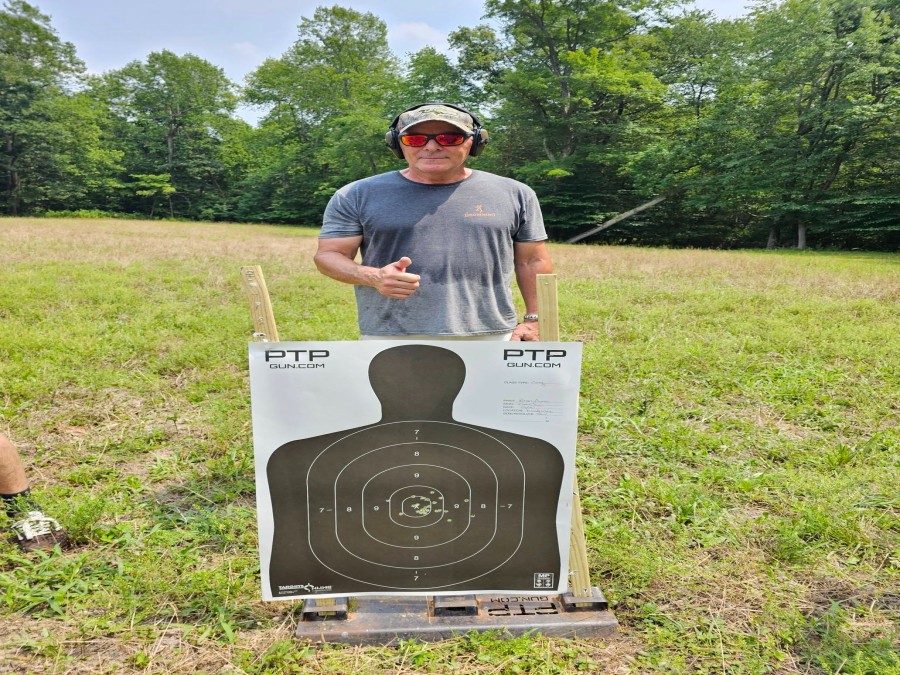
For most civilian applicants, the Maryland State Police specifies a Basic Practical Handgun Course involving at least 25 rounds, fired from distances no greater than 15 yards, with a minimum score of 70% accuracy.
Designated security personnel have a different qualification requirement involving at least 50 rounds under the Practical Police Course.
During the practical portion, you should expect your instructor to emphasize safe firearm handling, compliance with range commands, and accurate shooting within the course requirements.
Do not assume that completing the classroom portion guarantees certification. You must satisfy the applicable qualification requirements and follow your instructor’s directions.
5. Safe Carrying and Responsible Decision-Making
Wear and Carry training also helps you recognize the responsibility involved in carrying a handgun in public. Your decisions should prioritize safety, awareness, and avoiding unnecessary confrontations.
Depending on the course, instruction may address responsible carry practices, awareness of your surroundings, and considerations relevant to lawful self-defense.
You should understand that carrying a firearm does not eliminate the need to assess risks, avoid escalating conflicts, or seek a safe alternative whenever possible.
Ask your instructor which additional practical skills are included in the class, particularly if you want further education beyond the state’s minimum curriculum.
How Long Does Maryland Wear and Carry Training Take?
The required training time depends on whether you are applying for your first permit or renewing an existing one.
- Initial application: 16 hours of approved instruction.
- Renewal application: 8 hours of approved instruction, unless an applicable exemption applies.
Training must generally be completed within two years before you submit your application. Certain individuals may qualify for exemptions under Maryland rules, so verify your eligibility with the Maryland State Police before enrolling.
After completing the required course, you must submit the appropriate documentation as part of your permit application. Training completion alone does not authorize you to carry a handgun.
How to Prepare for Your Training Class
You can make your class experience more productive by preparing in advance.
- Confirm your course requirements. Choose a class that satisfies the current Maryland State Police curriculum.
- Check instructor credentials. Verify that your instructor is qualified to teach the required course.
- Ask what to bring. Confirm whether equipment, eye and ear protection, identification, or other materials are provided.
- Review basic safety principles. Familiarize yourself with firearm safety, but follow your instructor’s procedures during practical exercises.
- Plan for the full course. Initial training requires substantial time, so arrange your schedule accordingly.
- Understand the next steps. Ask how you will receive your training documentation and what you need to submit with your application.
If you need help understanding the application process, explore Maryland Wear and Carry application assistance.
Start Your Maryland Concealed Carry Training With Confidence
Completing your training is an important step toward becoming a responsible Maryland handgun permit applicant. You will learn about firearm laws, safe storage, handgun operation, and practical shooting proficiency while developing a clearer understanding of your responsibilities.
Before enrolling, confirm the current requirements with the Maryland State Police and select an approved instructor whose course meets the state’s standards.
Ready to take the next step? Explore PTPGun’s Maryland firearms training options to find a suitable class and prepare for your Wear and Carry application.