When you conduct experiments that involve oxygen-sensitive materials, even a small amount of air exposure can compromise your results. Oxygen and moisture present in the atmosphere can trigger unwanted reactions, contaminate samples, or degrade sensitive compounds. That’s why researchers rely on a vacuum glove box to create a stable, oxygen-free environment for delicate laboratory work.
A vacuum glove box allows you to manipulate materials safely inside a sealed chamber while maintaining extremely low oxygen and moisture levels. If you work with reactive metals, lithium batteries, catalysts, or advanced nanomaterials, understanding how this system works can significantly improve the accuracy and safety of your experiments.
Below, you’ll discover why vacuum glove boxes are essential for oxygen-free experiments and how you can use them effectively in your laboratory.
What Is a Vacuum Glove Box?
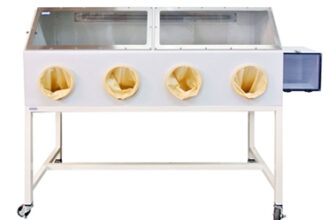
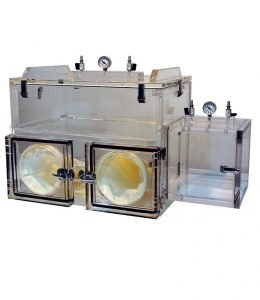
A vacuum glove box is a sealed laboratory enclosure designed to isolate materials from the surrounding atmosphere. You perform tasks inside the chamber using built-in gloves, allowing you to handle sensitive substances without exposing them to air.
In many advanced laboratories, scientists choose a high-performance vacuum glove box system for oxygen-free laboratory experiments to create a controlled environment. These systems typically allow you to evacuate the chamber and replace the air with an inert gas such as nitrogen or argon. This process ensures that oxygen and moisture levels remain extremely low during your work.
Why Oxygen-Free Conditions Matter
If your research involves reactive compounds, oxygen can interfere with chemical stability and experimental reliability. Even trace amounts may cause oxidation, degradation, or unwanted side reactions.
Here are some examples where oxygen-free conditions are crucial:
- Lithium battery research
- Air-sensitive catalysts
- Organometallic chemistry
- Semiconductor materials
- Pharmaceutical compounds
When you perform these experiments inside a vacuum glove box, you eliminate atmospheric contamination and maintain consistent research conditions.
How a Vacuum Glove Box Creates an Oxygen-Free Environment
A vacuum glove box uses a combination of sealing, evacuation, and gas purification to maintain oxygen-free conditions.
Air Removal Through Vacuum
The system first removes air from the chamber using a vacuum pump. By reducing internal pressure, most oxygen and moisture molecules are extracted from the enclosure.
Inert Gas Purging
After evacuation, the chamber is filled with an inert gas such as argon or nitrogen. This gas does not react with most materials, making it ideal for protecting sensitive samples.
Continuous Gas Purification
Advanced glove boxes include purification systems that continuously remove residual oxygen and moisture. This helps maintain extremely low contamination levels, often below one part per million.
Airtight Construction
High-quality glove boxes are built with durable materials and sealed joints to prevent external air from leaking into the chamber.
Together, these mechanisms allow you to work confidently with oxygen-sensitive compounds.
Key Benefits of Using a Vacuum Glove Box
Protects Air-Sensitive Materials
If you work with compounds that oxidize quickly, a vacuum glove box prevents exposure to oxygen and moisture. This protection helps preserve chemical integrity and ensures reliable results.
Improves Experimental Accuracy
When atmospheric variables are removed, your experiments become more consistent. Stable conditions mean your results are easier to reproduce and analyze.
Enhances Laboratory Safety
Some materials react violently with oxygen or moisture. Working inside a sealed glove box minimizes the risk of dangerous reactions and protects both researchers and laboratory equipment.
Supports Advanced Research Applications
Many cutting-edge technologies rely on oxygen-free environments. Vacuum glove boxes play a critical role in research areas such as energy storage, nanotechnology, and materials science.
Common Applications of Vacuum Glove Boxes
You may encounter vacuum glove boxes in many scientific fields where environmental control is essential.
Battery Research
Lithium-based battery materials are highly reactive with oxygen and moisture. Vacuum glove boxes allow researchers to assemble and test battery components safely.
Semiconductor Manufacturing
Electronic materials used in microchips often require oxygen-free conditions during fabrication and testing.
Chemical Synthesis
Chemists use glove boxes to synthesize and store air-sensitive compounds that would degrade if exposed to the atmosphere.
Pharmaceutical Development
Drug researchers may use controlled environments to protect sensitive compounds during formulation and testing.
Organizations like CleaTech LLC laboratory containment equipment manufacturer design specialized glove box systems that support these demanding scientific applications.
Best Practices for Using a Vacuum Glove Box
To maximize the effectiveness of your vacuum glove box, follow a few essential guidelines.
Maintain Proper Gas Levels
Regularly monitor oxygen and moisture levels to ensure the environment remains within acceptable limits.
Use the Antechamber Correctly
Always transfer materials through the antechamber and perform proper purge cycles to prevent atmospheric contamination.
Inspect Seals and Gloves
Check seals and gloves frequently to ensure they remain airtight and undamaged.
Schedule Routine Maintenance
Keep the vacuum pump, gas purification system, and sensors properly maintained to ensure optimal performance.
Following these practices helps extend the life of your equipment and keeps your experiments reliable.
Choosing the Right Vacuum Glove Box for Your Lab
When selecting a glove box system, consider several factors:
- Chamber size and workspace requirements
- Vacuum and gas purification capabilities
- Material compatibility
- Monitoring and control systems
A reliable manufacturer can help you identify the best configuration for your laboratory workflow.
If you are planning to upgrade your research facility or install a controlled atmosphere system, contact us today for expert guidance on vacuum glove box solutions tailored to your needs.
Conclusion
A vacuum glove box is an essential tool when you need to perform experiments in oxygen-free conditions. By removing air, introducing inert gases, and maintaining sealed environments, these systems protect sensitive materials and improve experimental reliability.
When you integrate a vacuum glove box into your laboratory, you gain greater control over environmental conditions, enhance safety, and enable research that would otherwise be impossible in open air.
For scientists working with air-sensitive materials, this controlled environment is not just helpful—it is indispensable.
FAQ: Vacuum Glove Box for Oxygen-Free Experiments
What is a vacuum glove box used for?
A vacuum glove box is used to handle oxygen- and moisture-sensitive materials inside a sealed environment where air is removed and replaced with inert gas.
Why are oxygen-free experiments important?
Oxygen can react with sensitive chemicals and materials, causing oxidation, contamination, or degradation that can affect experimental results.
Which gases are commonly used in vacuum glove boxes?
Nitrogen and argon are the most commonly used gases because they are chemically inert and help maintain stable conditions inside the chamber.
What industries use vacuum glove boxes?
Industries such as battery manufacturing, pharmaceuticals, semiconductor research, nanotechnology, and chemical synthesis frequently use vacuum glove boxes.
How do vacuum glove boxes maintain low oxygen levels?
They remove air using vacuum pumps and then fill the chamber with inert gas. Many systems also include purification units that continuously remove trace oxygen and moisture.