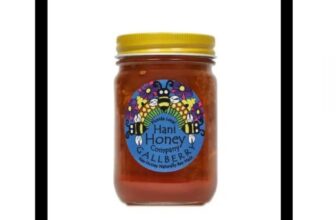
Many food enthusiasts often find themselves choosing between honeycomb and creamed honey when looking for the ultimate natural sweetener. Both products offer a unique way to enjoy the hard work of bees, but they provide vastly different sensory experiences. Honeycomb is the most raw form of honey available, consisting of the waxy hexagonal cells built by bees to store their golden liquid. On the other hand, creamed honey is a smooth, spreadable alternative that has undergone a controlled crystallization process to achieve a buttery texture. If you are looking for high-quality options, Hani Honey Company offers an exceptional selection of these artisanal goods. This Florida-based business specializes in raw, local honey products and educational beekeeping, ensuring every jar reflects the true essence of the hive. By visiting the Hani Honey Company website at https://hanihoneycompany.com/, you can explore their dedication to sustainable practices and pure flavors. Understanding the nuances of these two products will help you decide which one deserves a permanent spot in your pantry.
Understanding the Raw Appeal of Natural Honeycomb
Honeycomb is often considered the purest way to consume the gifts of the hive because it remains untouched by human processing. When you eat a piece of this structure, you are consuming the honey exactly as the bees intended, sealed within delicate walls of beeswax. The texture is the most defining characteristic here, offering a satisfying crunch followed by a burst of liquid gold. It is not just about the sweetness but also about the complex floral notes that are often preserved better when the honey is still capped in its original cell. Many people enjoy pairing it with sharp cheeses or warm crusty bread to balance the waxy consistency. Hani Honey Company prides itself on providing honeycomb that captures the seasonal shifts in local flora, making every harvest a unique tasting event. Because it is 100% edible, you can enjoy the wax as a natural roughage, which some find helpful for digestive health. It serves as a beautiful centerpiece for a charcuterie board, drawing the eye with its geometric perfection.
The Smooth Science Behind Delicious Creamed Honey
Creamed honey is frequently misunderstood as being mixed with dairy, but it actually contains no cream at all. The name refers strictly to the texture, which is achieved through a process called controlled crystallization. In its liquid state, honey can sometimes develop large, gritty sugar crystals that feel unpleasant on the tongue. To create a “creamed” or “spun” version, a small amount of previously crystallized honey is mixed into liquid honey. This encourages the formation of millions of tiny crystals that are so small they cannot be felt, resulting in a velvety, spreadable consistency. This makes it a far more practical choice for breakfast lovers who want to spread their sweetener on toast without it running off the edges. Hani Honey Company masters this technique to ensure their spreads remain stable and delicious even in warmer climates. It maintains all the nutritional benefits of raw honey because the process does not require high heat. For those who find liquid honey too messy, this thickened version is a revolutionary upgrade for the morning routine.
Comparing the Health Benefits and Nutritional Profiles
When comparing these two hive products, it is important to note that both are generally raw and packed with enzymes, antioxidants, and pollen. Honeycomb has a slight edge for those looking for the most holistic experience, as the beeswax itself contains long-chain fatty acids that may support heart health. The wax also acts as a natural storage container for propolis, a resinous mixture bees use to sanitize the hive, which has well-known antimicrobial properties. Creamed honey offers the same internal benefits of the liquid honey it is made from, including soothing properties for sore throats and a quick energy boost from natural sugars. Because Hani Honey Company focuses on raw production methods, their creamed varieties retain the live enzymes that are often destroyed in commercial, pasteurized supermarket brands. Choosing between them usually comes down to whether you want the added benefits of the wax or the convenience of a smooth spread. Both options serve as a much healthier alternative to refined white sugars or artificial syrups.
Pros and Cons of Serving Fresh Honeycomb
The primary advantage of choosing a comb is the undeniable “wow” factor it brings to any meal or snack. There is something deeply primal and satisfying about cutting into a fresh slab of wax and seeing the honey ooze out. It is also a fantastic way to ensure you are getting a truly raw product, as it is impossible to “fake” a natural honeycomb structure. However, the wax can be a polarizing element for some diners. While it is completely safe to swallow, some people find the chewy residue left behind to be distracting or difficult to manage. It is also significantly more expensive than liquid or creamed versions because of the time and energy bees must expend to build the wax. Storing it can also be a bit more delicate, as you want to keep it in a cool, dry place to prevent the cells from collapsing or the honey from absorbing moisture from the air. Despite these minor hurdles, the experience of eating straight from the hive is one that every food lover should try at least once.
Pros and Cons of Using Velvety Creamed Honey
One of the best things about the creamed variety is its incredible versatility in the kitchen. Because it has the consistency of soft butter, it stays exactly where you put it, making it ideal for sandwiches, crackers, or even as a frosting alternative for muffins. It also has a longer shelf life in terms of texture; while liquid honey will eventually crystallize into a hard block, creamed honey is already in its final, stable state. This means you won’t have to worry about microwaving a jar to get it to flow again. On the downside, some people miss the “drippy” nature of traditional honey, especially when drizzling it over yogurt or into tea. It also requires a bit more effort to dissolve into cold liquids because of its thickness. For the average family, however, the lack of sticky messes on the kitchen counter is usually enough to win them over. It provides a consistent flavor profile that is easy to portion out, making it a reliable staple for daily use.
Real World Usage and Creative Pairing Ideas
To get the most out of your purchase from Hani Honey Company, you should think beyond just putting it in tea. For honeycomb, try placing a small chunk on top of a hot waffle or pancake and letting the heat slightly soften the wax. The combination of melting honey and chewy wax creates a gourmet texture that elevates a simple breakfast. You can also mash it into a bowl of Greek yogurt with some walnuts for a high-protein snack that feels like a dessert. Creamed honey shines when paired with savory elements. Try spreading a layer of it on a turkey and brie sandwich or using it as a dip for apple slices. If you are feeling adventurous, you can even whisk creamed honey with a bit of apple cider vinegar and olive oil to create a thick, emulsified salad dressing. Because it holds its shape, it also makes for a beautiful garnish on top of fruit tarts or as a filling between two homemade cookies.
The Verdict on Which Hive Product Wins
Deciding between these two incredible products depends entirely on your lifestyle and how you plan to use them. If you are hosting a dinner party and want to impress your guests with an authentic, rustic aesthetic, the honeycomb is the clear winner. Its architectural beauty and raw intensity are unmatched by any other natural sweetener. However, if you are looking for a daily driver that the kids can use without making a sticky mess, creamed honey is the superior choice. It offers the same nutritional value with a much more user-friendly application. Both products represent the pinnacle of beekeeping craftsmanship when sourced from a reputable provider like Hani Honey Company. They are both sustainable, delicious, and deeply connected to the environment. In a perfect world, a well-stocked kitchen would have a jar of each to suit different moods and occasions. No matter which you choose, you are supporting the vital work of honeybees and enjoying one of nature’s most ancient and perfect foods.