More and more people have been looking for strong, natural solutions to organize outdoor areas lately. High demand is for strong and rustic materials that naturally complement the surroundings. Arrangements with old or reclaimed wood increase both utility and charm and authenticity. There are many ways to build gorgeous and long-lasting buildings that endure under these circumstances.
With a keen emphasis on mixing looks and functionality, gardening and outdoor design projects are becoming more imaginative. Working with recycled or reused materials is an environmentally friendly and responsible option; natural components give any area freshness and originality. DIY aficionados and landscaping fans can therefore experiment with shapes, textures, and many uses to produce amazing outcomes.
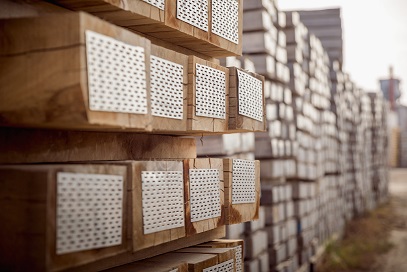
In this area, railway sleepers offer an appealing and affordable solution. From constructing stairs and borders to crafting rustic furniture or space dividers, they find application in several projects. Natural appearance is a big benefit in every outside setup, and treated and robust wood allows for long-term usage free of significant issues.
Advantages of using natural materials
Using natural wood in landscaping offers several advantages connected to both function and aesthetics. Aside from its cozy and welcoming appearance, wood is a simple-to-work material that may fit any design. Furthermore, contemporary therapies improve its resilience and longevity, therefore allowing it to be used outside in weather-exposed areas.
One other benefit is the chance to customize wooden components via unique cutouts, varnishing, or painting. These techniques let one design distinctive decorative accents that exactly fit the chosen look. Moreover, wood helps create a natural and calming ambience—much valued in patios and gardens.
Wood plays a functional part in addition to its visual ones. It can define areas, build plant supports, or organise relaxation zones. Whether employed for garden borders, planters, or furniture, wood offers stability and usefulness while also being simple to repair and care for.
Consider the following factors before selecting wood for your outside projects:
- Durability and resistance to weather conditions
- Ease of maintenance and repairs
- Compatibility with other materials in the design
- Sustainability and environmental impact of the wood source
Creative ways to use wood in the garden
Employing wood in the yard goes beyond traditional forms. It can be used in artistic projects that combine usefulness and beauty. For instance, constructing vertical or horizontal planters maximizes room and brings plants nearer to eye level.
Additionally, wood can aid in forming rich green areas by supporting climbing or hanging plants. Another choice that changes the garden into a cozy and friendly area are wooden pergolas and terraces. Rustic tables and benches can also be constructed to flawlessly complement the design.
Along with its utilitarian aspects, wood can be used for creative endeavors in the garden. Your outdoor area may be enhanced by sculptures, decorative fences, or even hardwood mosaics with a distinctive touch. These imaginative creations give the garden a more customized and welcoming vibe in addition to improving the general aesthetic.
Simple and efficient ideas abound:
- Wooden borders to delimit pathways
- Wooden terraces with steps for easy access
- Supports and planters for flowers and vegetables
- Pergolas and gazebos for relaxation
- Rustic furniture made from reused wood.
Tips for maintaining wooden outdoor elements
Correct and regular maintenance is necessary to keep wooden outdoor components looking and working. If wood is not properly protected, sun, rain, and temperature fluctuations can have an impact on it. Using particular oils or varnishes increases its life span.
To get rid of trash and deposits that might promote mold development, regular cleaning is also advised. Early detection of problems and prompt interventions follow from periodic inspections. Maintaining the original look depends mostly on fast fixes and the use of premium materials.
Other crucial considerations are avoiding water stagnation and proper positioning of components. Wood should be arranged to allow adequate drainage and avoid extended direct exposure to wet soil. This greatly lowers rotting and decay hazards.
Selecting the correct kind of wood for outdoor use can also have a major impact. Some wood kinds, including teak or cedar, naturally resist pests and damp and so need less upkeep. These choices can provide little maintenance long-lasting attractiveness and utility.
Benefits of a garden arranged with natural wood
Gardens with natural wood elements have a friendly, calm, and comforting vibe. Offering a harmonic interaction with nature, these areas are perfect for spending free time and outdoor activities. Wood lends character and authenticity as an always current component.
Furthermore, utilizing wood from recycled or sustainable sources helps environmental protection and promotes ecologically friendly habits. Hence, every project becomes not only aesthetic and practical but also good for the earth. Using appropriately treated wood will guarantee that you have a stunning garden for many years.
Natural wood is a great choice for those searching for a harmonious and functional arrangement. From furniture and plant supports to pathways and pergolas, the opportunities are unlimited and suited for any taste or budget. Moreover, integrating natural wood into your outdoor space creates a seamless connection with nature, enhancing the overall ambiance. Its timeless appeal makes it suitable for both modern and rustic designs, offering both beauty and functionality throughout the seasons.