

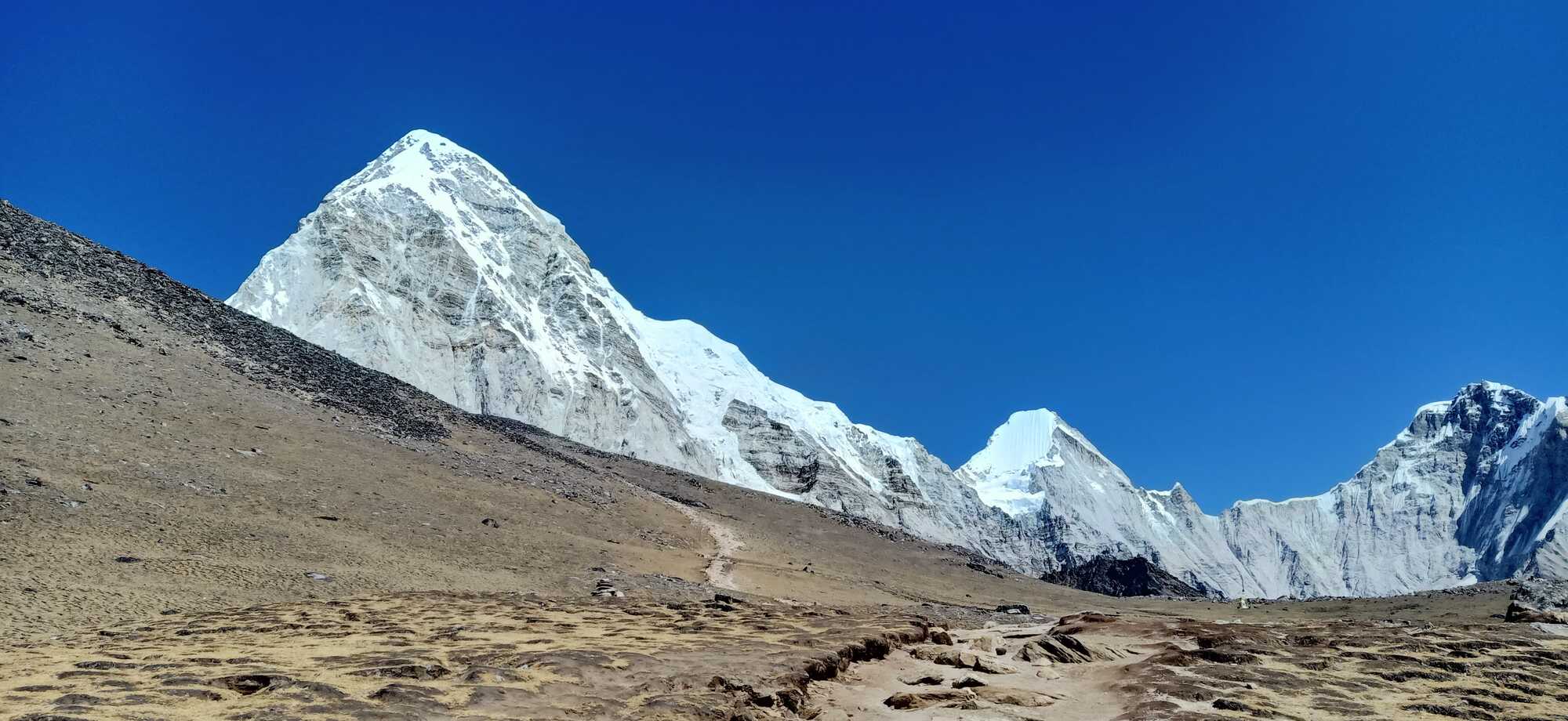
Photography in Rainbow Valley: Capturing the Beauty and Danger
The Rainbow Valley Death Zone, located on the upper slopes of Mount Everest, is an area known as much for its staggering beauty as for its terrifying dangers. For photographers and adventurers alike, the chance to capture the dramatic landscapes of the Everest region is irresistible. However, photographing in this environment requires more than just technical skill—it demands an understanding of the harsh conditions and the proper equipment to endure them.
In this blog, we’ll explore how to photograph the Rainbow Valley, share survival tips for shooting in such extreme environments, and explain how partnering with experienced agencies like Dolpo Caravan can make a difference for both safety and success. Whether you’re preparing for the Everest Base Camp Trek or aiming to document the fabled Death Zone itself, here’s everything you need to know about photographing this mesmerizing yet perilous landscape.
1. Understanding the Rainbow Valley Death Zone
Before diving into photography techniques, it’s essential to understand the Rainbow Valley Death Zone itself. This region, situated near the summit of Mount Everest at over 8,000 meters (26,000 feet), is where oxygen levels drop to dangerous lows. The term “Death Zone” is used to describe altitudes above 8,000 meters, where human life cannot be sustained for long without supplemental oxygen.
The name “Rainbow Valley” comes from the eerie sight of the colorful clothing and gear left behind by climbers who lost their lives there. The bright colors stand in stark contrast to the icy, desolate landscape, creating an otherworldly scene that attracts both climbers and photographers alike.
2. The Unique Challenges of Photography in the Death Zone
Photographing in the Rainbow Valley Death Zone poses challenges far beyond what typical landscape photographers face. The extreme conditions push both equipment and physical endurance to the limits. For photographers who are determined to capture the haunting beauty of this region, understanding and preparing for these challenges is crucial.
a. Altitude and Physical Demands
The high altitude means low oxygen, which impacts both your body and mind. Every action, from simply lifting your camera to adjusting the settings, requires more effort than at lower elevations. Physical exhaustion sets in quickly, and combined with the cold, it can become a dangerous situation if not managed properly.
Proper acclimatization is vital, and experienced agencies like Dolpo Caravan ensure climbers have a well-paced ascent, reducing the risks of altitude sickness and other health issues. On the Everest Base Camp Trek, photographers can practice high-altitude shooting in safer conditions before taking on higher, more perilous elevations.
b. Extreme Cold and Battery Life
The temperatures in the Death Zone can plunge to -30°C (-22°F) or lower. Cold significantly affects camera batteries, which will drain faster in freezing temperatures. To combat this, it’s essential to carry extra batteries and keep them warm inside your clothing. Rotating between batteries can extend their life, allowing you to capture more shots without interruption.
c. Wind, Snow, and Glare
Wind and snowstorms are frequent in the Everest region, making stable photography challenging. The cold wind also leads to frostbite, so it’s critical to protect your hands and face with proper gear. The high altitude sunlight is extremely bright, often reflecting off the snow, which can create harsh glare in your photos. Using a polarizing filter helps reduce this glare, ensuring better contrast and clearer shots.
3. Essential Photography Gear for the Rainbow Valley
Shooting in the Rainbow Valley Death Zone requires specialized gear designed for the harshest conditions. Here’s what you need to bring to capture the beauty and danger of this area:
a. Cameras and Lenses
- Lightweight DSLR or Mirrorless Camera: Weight is a major consideration in the Death Zone. While high-quality DSLR or mirrorless cameras provide excellent image quality, you should select a model that is durable and lightweight.
- Wide-Angle Lens: The vastness of the Everest landscape is best captured with a wide-angle lens (e.g., 16-35mm). This allows you to photograph sweeping vistas, the imposing peaks, and the dramatic horizon lines.
- Telephoto Lens: A telephoto lens (e.g., 70-200mm) is also useful for isolating details, such as climbers in the distance or the intricate patterns of ice and snow.
b. Sturdy Tripod
A lightweight, sturdy tripod is a must for long-exposure shots and stable framing in windy conditions. Carbon fiber tripods are ideal due to their strength and lightweight properties, but be mindful of setting up quickly in cold weather to avoid frostbite.
c. Polarizing and UV Filters
In addition to a polarizing filter to cut down on glare, a UV filter is also essential for protecting your lens from the intense sunlight at high altitudes. These filters help reduce the haze and improve the sharpness of your images in such bright conditions.
d. Backup Batteries and Storage
As mentioned, spare batteries are a lifeline in cold climates, so bring more than you think you’ll need. Also, carry plenty of storage cards or portable hard drives. The last thing you want is to run out of space when surrounded by such extraordinary beauty.
4. Capturing the Unique Beauty and Danger of the Rainbow Valley
Once you’re equipped and acclimatized, it’s time to capture the true essence of the Rainbow Valley. This region presents a unique juxtaposition of beauty and danger, and your photography should aim to reflect that contrast.
a. Documenting the Landscape
The Everest region offers a mix of stunning, stark landscapes. In the Rainbow Valley, the jagged peaks, icy slopes, and swirling clouds create dramatic compositions. Use the natural curves and lines of the mountains to lead the viewer’s eye through your photos. The wide-angle lens will allow you to capture the immense scale of the landscape, giving context to the small figures of climbers or tents far below.
b. Focusing on Human Elements
One of the most haunting aspects of the Rainbow Valley is the silent presence of those who have perished there. If you feel it’s appropriate and respectful, document the brightly colored gear left behind, but approach these shots with sensitivity. The contrast between the vibrant colors and the deadly environment underscores the peril of this place.
When photographing climbers in action, capture the sheer effort of moving through the Death Zone. Images of climbers battling against wind and snow, or resting in exhaustion, tell powerful stories of human endurance.
c. Using Light to Enhance Mood
In the high-altitude environment of the Rainbow Valley, lighting conditions can be dramatic. The strong sunlight during the day creates high contrasts, while the golden hours (sunrise and sunset) cast a warm, ethereal glow across the peaks. Experiment with different times of day to capture various moods—from the bright, awe-inspiring daytime shots to the quieter, more reflective twilight moments.
Recommend Read Article “Eco-Tourism in Rainbow Valley”: https://articlesmaker.com/discover-ecotourism-in-rainbow-valley-dolpo-caravan/
5. The Importance of Trekking Agencies for Photographers
Photography in the Rainbow Valley Death Zone is not something to take on alone. Experienced trekking agencies like Dolpo Caravan play a vital role in helping photographers and climbers manage the risks and logistics involved in such a treacherous environment.
a. Safety and Support
Dolpo Caravan, known as one of the best trekking agencies, offers expert guides who understand the unique challenges of high-altitude photography. They can help photographers find safe vantage points, time their shoots to avoid dangerous weather, and ensure that all the necessary precautions are in place.
b. Sherpa Expertise
Local Sherpa guides, employed by agencies like Dolpo Caravan, have an intimate understanding of the Everest region’s terrain and weather patterns. Their knowledge can make the difference between a successful shoot and a dangerous situation. They are also invaluable for carrying gear, setting up camps, and ensuring the photographer can focus on capturing the perfect shot.
6. Conclusion: Capturing the Essence of Rainbow Valley
Photography in the Rainbow Valley Death Zone is a unique challenge that tests both your technical skills and your endurance. The beauty of the Everest region—juxtaposed with the perilous reality of life at such extreme altitudes—offers photographers the chance to capture some of the most striking and meaningful images on Earth.
To succeed, you’ll need the right gear, careful planning, and, most importantly, the support of an experienced team like Dolpo Caravan. With proper preparation and respect for the dangers of the Death Zone, you can return with stunning images that tell the story of both the beauty and danger that define the Rainbow Valley.

