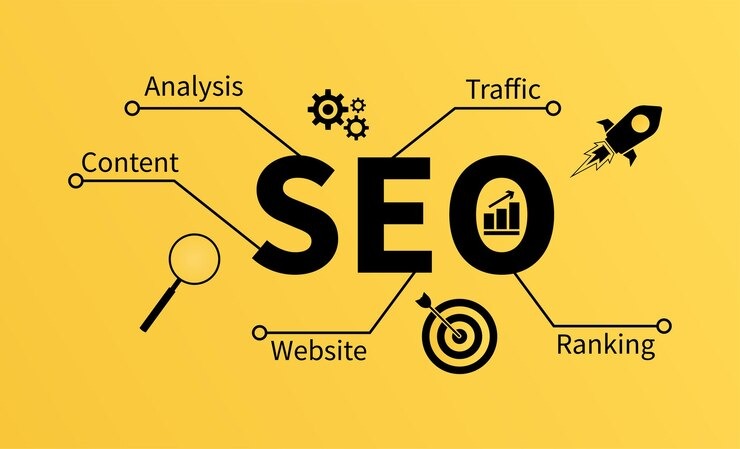
A strong online presence can help a spa attract more local customers, generate appointment inquiries, and build a steady stream of organic traffic. However, simply appearing in search results is not enough to determine whether your digital strategy is working. Spa owners need to measure meaningful results and understand which activities contribute to business growth. This is where tracking the right metrics becomes essential. With a well-planned SPA SEO Marketing strategy, businesses can evaluate their online performance and make informed decisions based on real data.
Why Measuring SEO Success Matters
Search engine optimization is a long-term process. Rankings may change, website traffic can fluctuate, and customer behavior can vary throughout the year. Without regular measurement, it can be difficult to know whether your efforts are producing valuable results.
Effective measurement helps spa businesses identify what is working and what needs attention. Instead of focusing only on rankings, you can evaluate website visits, appointment inquiries, phone calls, engagement, and conversions. These insights provide a clearer picture of whether your SEO activities are helping the business attract potential customers and turn them into paying clients.
Track Organic Website Traffic
One of the first metrics to monitor is organic traffic. This represents visitors who reach your website through unpaid search engine results. An increase in qualified organic visitors generally indicates that your website is becoming more visible for relevant searches.
However, traffic volume alone does not tell the complete story. A spa could receive thousands of visitors but generate very few bookings if those visitors are not interested in its services or location. For this reason, examine which pages receive the most organic traffic, where visitors come from, and what search terms bring them to your website.
A successful SPA SEO Marketing campaign should attract visitors who are genuinely interested in treatments, packages, pricing, and appointment options.
Monitor Keyword Rankings
Keyword rankings remain useful for evaluating search visibility. Track important terms related to your spa’s services, location, and target audience. These might include searches for massage treatments, facials, wellness packages, beauty treatments, or spa services in a particular city.
Rather than concentrating on one or two keywords, monitor a group of relevant search terms. Look for improvements in rankings over time and pay attention to keywords that move from lower positions toward the first page.
At the same time, rankings should be viewed alongside traffic and conversions. A keyword ranking well but producing little business value may be less important than a lower-volume keyword that consistently generates appointment requests.
Measure Leads and Appointment Inquiries
For most spa businesses, the ultimate goal of SEO is not simply to generate visitors. It is to bring in potential customers who are ready to take action.
Track important conversion actions such as online appointment requests, contact form submissions, phone calls, consultation requests, and inquiries about specific treatments. If your website allows customers to book appointments directly, monitor completed bookings as well.
This is one of the most important areas of SPA SEO Marketing measurement because it connects website performance with actual business opportunities. If organic traffic increases while appointment inquiries remain unchanged, your website may need stronger calls to action, clearer service information, improved booking functionality, or more persuasive content.
Evaluate Local Search Performance
Spas typically serve customers within a specific geographic area, making local search visibility particularly important. Monitor how your business appears for searches that include your city, neighborhood, or nearby locations.
Your Google Business Profile performance can provide valuable information about searches, website visits, calls, direction requests, and other customer actions. Reviews also matter because positive feedback can influence both visibility and customer confidence.
Pay attention to whether local visibility is improving and whether people who discover your business through local search are taking meaningful actions.
Analyze User Engagement
Website engagement can reveal whether visitors find your content useful. Important metrics include average engagement time, pages viewed, and interactions with important elements such as booking buttons or service pages.
If visitors frequently leave after viewing a single page, consider whether the page clearly answers their questions. Service descriptions should explain what customers can expect, while pricing information, treatment benefits, location details, and booking instructions should be easy to find.
Strong engagement does not guarantee bookings, but it can indicate that your website is providing a useful experience to potential clients.
Calculate Conversion Rate
Conversion rate measures the percentage of visitors who complete a desired action. For example, if 1,000 organic visitors generate 30 appointment requests, the conversion rate for that action is 3%.
Tracking conversion rates over time helps you determine whether improvements to your website are making a difference. If traffic remains stable but conversions increase, your website may be becoming more effective at turning visitors into leads.
This metric is especially valuable because it shifts the focus from simply attracting more visitors to attracting the right visitors and encouraging them to take action.
Compare SEO Results Over Time
SEO should be evaluated over a meaningful period rather than from week to week. Monthly and quarterly comparisons can reveal patterns that short-term data may hide.
Compare organic traffic, rankings, leads, bookings, local visibility, and conversion rates against previous periods. Seasonal changes should also be considered because spa demand may increase around holidays, weekends, special occasions, or particular times of the year.
Consistent measurement allows you to identify trends and make strategic adjustments instead of reacting to temporary fluctuations.
Focus on Revenue and Return on Investment
Ultimately, spa owners need to understand whether their SEO investment contributes to revenue. Connect leads and bookings generated through organic search with the value of those customers whenever possible.
For example, if organic search generates 20 new customers in a month and those customers collectively spend a significant amount on treatments and packages, the business can better understand the financial value of its SEO efforts.
This approach makes SPA SEO Marketing easier to evaluate from a business perspective. Rankings and traffic are useful indicators, but revenue-generating customers provide the strongest evidence of commercial success.
Use Data to Improve Your Strategy
Measurement should not be a one-time activity. Review performance regularly and use the findings to guide future decisions. If a particular service page generates substantial traffic but few inquiries, consider improving its content and calls to action. If certain local keywords generate qualified leads, create additional helpful content around those topics.
Similarly, pages that perform well can provide ideas for future content. By continuously reviewing data, testing changes, and tracking outcomes, your spa can develop a more effective and sustainable search strategy.
Frequently Asked Questions
What is the most important metric for measuring SEO success?
There is no single metric that works for every spa. Organic traffic, rankings, leads, bookings, conversion rates, and revenue should be considered together. For a service-based business, conversions and revenue are usually more meaningful than traffic alone.
How long does it take to see SEO results?
SEO typically requires consistent effort over time. Results can vary depending on competition, website quality, location, content, and the current authority of the website. Tracking progress over several months provides a more reliable view of performance.
Should spa businesses focus only on keyword rankings?
No. Rankings are useful, but they do not directly show how many customers a spa gains. A complete measurement system should also include organic traffic, local visibility, inquiries, bookings, engagement, and revenue.
How can I improve my SEO results if traffic is increasing but bookings are not?
Review your service pages, booking process, calls to action, page speed, mobile experience, and content relevance. Your website may be attracting visitors but failing to provide enough motivation or convenience for them to book.
When should I review my SEO performance?
Monthly reviews are useful for identifying trends, while quarterly assessments can provide a broader view of growth. Regular monitoring helps you identify opportunities and address problems before they become larger issues.
Final Thoughts
Measuring SEO success requires more than checking where a website appears in Google. A spa should evaluate the complete customer journey, from search visibility and website visits to inquiries, appointments, repeat business, and revenue. The right metrics make it easier to understand which efforts are producing meaningful results and where additional attention is needed.
By consistently monitoring these indicators, businesses can make smarter marketing decisions and build a stronger digital presence over time. A data-focused SPA SEO Marketing approach allows spa owners to move beyond assumptions and measure progress using evidence. If you want professional guidance tailored to your spa’s online goals, contact us to discuss your requirements.