When you work with proteins in biotechnology, pharmaceuticals, or academic research, separating them accurately is essential. Proteins rarely exist alone; they appear in complex mixtures with dozens or even hundreds of other molecules. Without an effective method to separate these proteins, understanding their structure, purity, or biological function becomes extremely difficult. This is where SDS PAGE electrophoresis becomes a critical tool in modern protein research.
By using SDS PAGE electrophoresis, you can separate proteins according to their molecular weight with impressive precision. The technique provides clear visualization of protein bands, helping you analyze purity, detect contamination, and confirm experimental results.
Understanding How SDS PAGE Electrophoresis Works
SDS PAGE stands for Sodium Dodecyl Sulfate Polyacrylamide Gel Electrophoresis. While the name sounds complex, the concept behind it is straightforward.
First, proteins are treated with SDS, a detergent that unfolds protein structures and coats them with a uniform negative charge. This step removes the influence of protein shape and ensures that separation depends mainly on molecular weight.
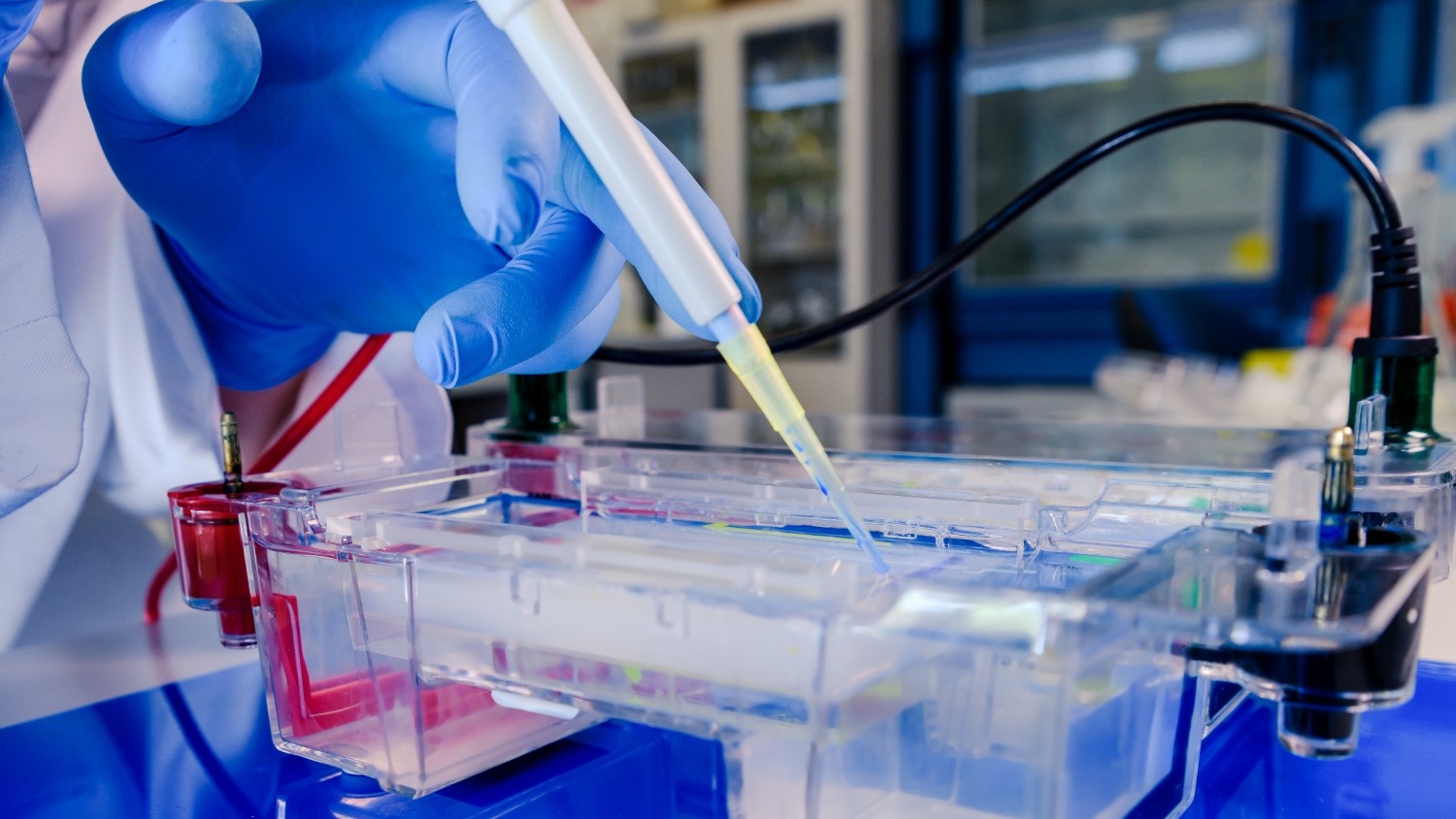
Next, the treated proteins are loaded into a polyacrylamide gel. When an electric current is applied, proteins migrate through the gel matrix toward the positive electrode. Smaller proteins move faster through the gel pores, while larger proteins travel more slowly.
The result is a pattern of distinct bands that represent individual proteins separated by size. This simple yet powerful method allows you to evaluate complex protein mixtures efficiently.
Why Accurate Protein Separation Matters
If you work in protein research, you already know that accurate separation can determine the success of an experiment. Without proper separation, it becomes difficult to identify specific proteins or confirm their purity.
SDS PAGE electrophoresis improves your ability to:
- Verify protein expression
- Monitor purification processes
- Detect degradation products
- Evaluate protein sample quality
- Compare molecular weights
These capabilities make SDS PAGE one of the most widely used techniques in molecular biology and proteomics laboratories.
Improving Protein Purity Analysis
One of the most important benefits of SDS PAGE electrophoresis is the ability to evaluate protein purity. When you purify a protein, you need to confirm that unwanted proteins or contaminants are no longer present.
By running your sample on a gel, you can visually inspect the number of bands present. A single band usually indicates a highly purified protein, while multiple bands suggest contamination or incomplete purification.
If you are working on protein production, this step helps you confirm that your purification protocols are working correctly.
Supporting Reliable Research Results
Reproducibility is a major concern in modern scientific research. SDS PAGE electrophoresis plays a key role in ensuring that your results are reliable and repeatable.
For example, when you analyze samples from multiple experiments, the protein band patterns should remain consistent. If they change unexpectedly, it may indicate experimental errors or protein degradation.
Using professional laboratory services can further enhance reliability. For instance, specialized Sds Page Electrophoresis protein separation services for accurate molecular weight analysis can help you obtain high-quality protein separation results when precision matters most.
Detecting Protein Degradation
Protein degradation can occur during storage, purification, or experimental handling. Unfortunately, degraded proteins can lead to misleading research conclusions.
SDS PAGE electrophoresis helps you detect degradation quickly. When proteins break into smaller fragments, additional lower-molecular-weight bands appear on the gel.
By identifying these fragments early, you can adjust sample handling conditions, improve storage protocols, or modify purification strategies to preserve protein integrity.
Comparing Protein Expression Levels
Another advantage of SDS PAGE electrophoresis is its usefulness in comparing protein expression between samples.
For example, if you are studying gene expression in different cell lines or experimental conditions, SDS PAGE allows you to visualize changes in protein production.
You can easily compare band intensity between samples to estimate relative protein levels. This insight helps you determine whether your experimental treatment increases or decreases protein expression.
Supporting Downstream Protein Analysis
SDS PAGE electrophoresis often serves as the starting point for many other analytical techniques. After separating proteins on a gel, you can proceed with additional methods such as:
- Western blotting
- Mass spectrometry
- Protein identification studies
- Post-translational modification analysis
These downstream applications depend heavily on the accuracy of the initial protein separation.
If you want reliable laboratory assistance for your research, you can contact us today for professional protein electrophoresis laboratory support and discuss your analytical requirements with experienced specialists.
Why Researchers Continue to Trust SDS PAGE
Despite the development of advanced proteomics technologies, SDS PAGE electrophoresis remains one of the most trusted laboratory techniques. Its reliability, simplicity, and cost-effectiveness make it indispensable in research environments.
You benefit from several advantages when using SDS PAGE:
- High resolution protein separation
- Straightforward experimental design
- Compatibility with many protein analysis methods
- Clear visual interpretation of results
Because of these strengths, SDS PAGE continues to be a foundational technique in protein science.
Conclusion
When you need reliable protein separation, SDS PAGE electrophoresis provides one of the most dependable solutions available. The technique allows you to separate proteins by molecular weight, evaluate purity, detect degradation, and compare expression levels across samples.
By incorporating SDS PAGE electrophoresis into your research workflow, you gain clearer insights into protein structure and behavior. Whether you are working in biotechnology, pharmaceutical development, or academic research, accurate protein separation remains essential for producing trustworthy scientific results.
FAQ: SDS PAGE Electrophoresis
What is SDS PAGE electrophoresis used for?
SDS PAGE electrophoresis is used to separate proteins based on their molecular weight. Researchers commonly use it to analyze protein purity, confirm expression, and detect protein degradation.
Why does SDS help in protein separation?
SDS coats proteins with a uniform negative charge and unfolds their structure. This ensures that proteins migrate through the gel based primarily on size rather than shape.
How accurate is SDS PAGE for molecular weight estimation?
SDS PAGE provides highly reliable molecular weight estimates when protein markers are used. It allows researchers to compare unknown proteins with known molecular weight standards.
Can SDS PAGE detect protein contamination?
Yes. Multiple bands appearing in a gel lane often indicate the presence of additional proteins or contaminants in a sample.
Is SDS PAGE still relevant in modern proteomics?
Absolutely. Although advanced proteomics techniques exist, SDS PAGE remains a fundamental and widely used method for protein separation and sample analysis.