

In many industrial products, the quality of the final result depends on how well different parts are joined together. Bonding plays an important role in structural stability, product durability, and overall performance. This applies whether the application involves electronics, automotive components, appliances, or technical assemblies.
Modern manufacturing often combines multiple materials within the same product. Plastic may be joined to metal, glass to painted surfaces, foam to composites, or flexible materials to rigid structures. Each material behaves differently, which means the solution must be selected and designed properly.
Effectiveness depends on surface compatibility, environmental conditions, component design, and how the element is integrated into the production process. Working with an experienced 3M Preferred Converter can help manufacturers source adhesive components suited to their requirements. When these factors are properly managed, bonding becomes a predictable and durable part of the final assembly.
It starts with understanding how materials behave
Different materials have different characteristics, energy levels, textures, and reactions to temperature or moisture. Because of this, the same mounting method may perform very well in one application and poorly in another.
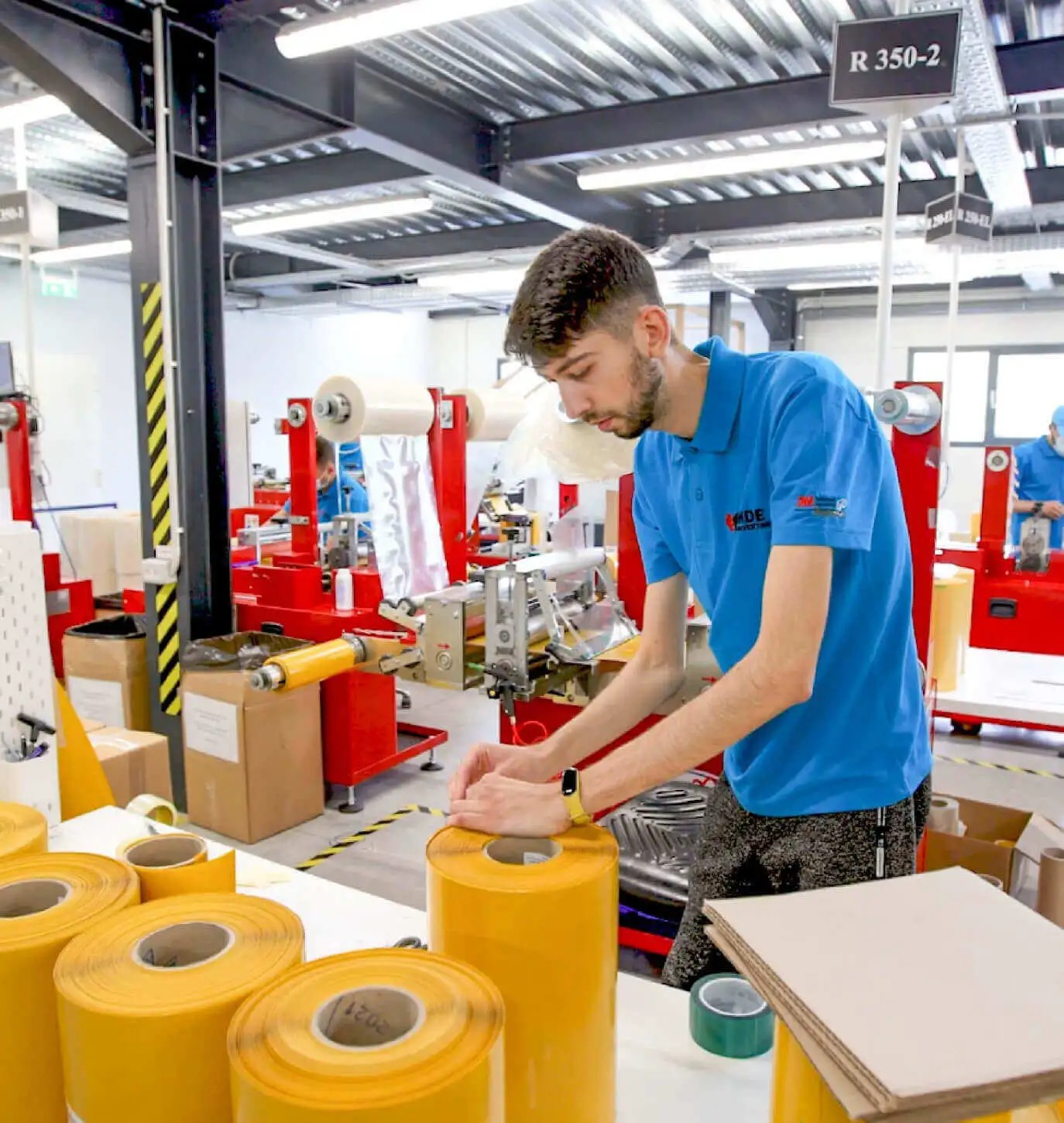
For example, smooth metal surfaces behave differently from textured plastics, while coated or painted parts may require a different approach than untreated materials. Once these conditions are understood, processes such as die cutting help transform adhesive materials into precise components ready for assembly.
Before selecting a suitable solution, several points should be considered:
- The type of materials being joined
- Surface texture and cleanliness
- Presence of coatings, oils, or release agents
- Differences in expansion caused by temperature
- Mechanical loads during use
- Long-term environmental exposure
A proper understanding of these variables helps reduce risk and improve long-term performance. In automotive manufacturing, adhesion requirements can also vary significantly depending on the application area. This may include interior trim, structural supports, and decorative assemblies such as a fascia car component.
Precision matters more than many realize
Even when the right material is selected, performance can be affected by how the component is designed and applied. Thickness, shape, contact area, alignment, and pressure during application all influence the result. In industrial production, small variations can lead to gaps, uneven contact, trapped air, or stress concentration. Over time, these issues may reduce durability or create inconsistencies.
Well-designed converted adhesive components can support reliable assembly by providing:
- Consistent dimensions from part to part
- Accurate positioning during installation
- Full contact across bonding surfaces
- Compensation for minor surface irregularities
- Reduced need for manual adjustments
- Stable repeatability in serial production
This is especially important in automated or high-volume manufacturing, where consistency is essential. When the same operation is repeated thousands of times, even minor dimensional deviations can affect cycle times, placement accuracy, or final product quality. Components manufactured with tight tolerances help maintain stable production parameters and reduce unnecessary interruptions.
Long-term reliability depends on real conditions
Once integrated into the product, components may be exposed to heat, cold, humidity, vibration, dust, chemicals, or repeated movement. These real-world conditions can place stress on both the joined materials and the bonding layer between them. For this reason, long-term reliability should be considered during the development stage.
The specific requirements usually depend on the environment in which the product will operate and the type of loads it will experience over time. Testing under realistic conditions helps confirm that the chosen solution will continue performing as expected throughout the product’s intended lifespan.
Here are a few common operating conditions and the performance characteristics often required from a reliable bonding solution:
| Real operating condition | Performance requirement |
| Temperature fluctuations | Resistance to thermal expansion, contraction, and stress |
| High humidity or moisture exposure | Stable adhesion and protection against moisture ingress |
| Continuous vibration | Vibration damping and secure long-term attachment |
| Repeated movement or flexing | Flexibility without cracking or loss of adhesion |
| Contact with chemicals | Material compatibility and resistance to degradation |
| Extended service life expectations | Consistent performance over time |
Reliable bonding comes from the right approach
Strong adhesion between materials is not based on a single factor. It’s the result of selecting the right material, designing the component correctly, and ensuring it fits the production process and end-use conditions.
Every successful project begins with understanding the real application. Material behavior, surface compatibility, dimensional requirements, and assembly methods should all be considered before a solution is selected.
By combining converting expertise with precise manufacturing processes, reliable solutions can be developed for demanding industrial applications. When done correctly, this becomes more than a joining method, but a functional part of product performance.

